
On this page7 sections
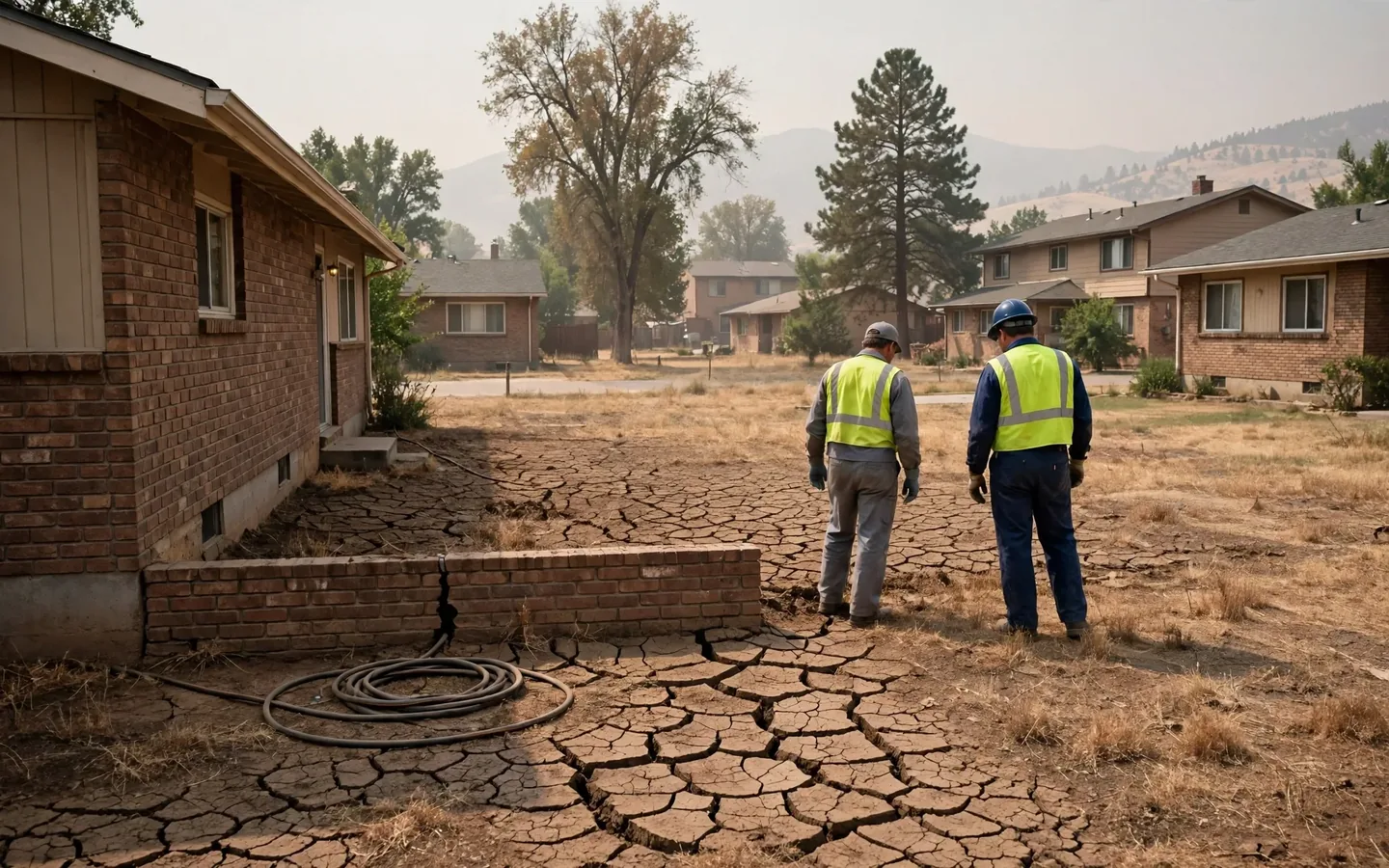
Dry weather is hard on sewer pipes too. As clay soil dries, it shrinks and pulls away from pipe. Tree roots go looking for water, and a leaking sewer joint is one of the few steady sources left. When rain or snow finally returns, the clay swells and pushes the weakened pipe.
Littleton's Dry Climate
Denver, Littleton's next door neighbor, has a semi arid climate with very low humidity. Dry stretches can last a long time. Before the March 2003 blizzard, Denver had gone 19 months in a row with below normal precipitation. In 2020, Colorado had its second driest year on record before the March 2021 blizzard eased the drought.
Can drought damage a sewer line?
Yes. Drying clay shrinks and leaves voids around pipe, so sections can sag or shift. Roots also push harder toward any leaking joint for water. The damage often shows up when wet weather returns.
How Dry Soil Hurts Pipe
The Colorado Geological Survey says shrinkage is not unlikely in the semi arid Rocky Mountain region, and that buildings here have been damaged by it. Its homeowner guide lists breakage of pipes and sewer lines among the damage swelling soils cause each year.
What happens:
- Clay dries and shrinks, cracking into polygon shapes at the surface
- Gaps open under and beside the pipe
- Pipe sections lose support and sag or tilt
- Wet weather returns, clay swells, and pipe gets pushed out of line
Thirsty Trees
The same survey notes that moisture loving trees and shrubs near a foundation can dry the soil by pulling water out. During drought:
- Roots spread farther to find water
- A sewer joint leaking warm, moist air becomes a target
- Roots enter, grow and catch paper and waste
Littleton's older neighborhoods, such as downtown, Bow Mar and Columbine Valley, have large mature trees close to old clay laterals. Cottonwoods along the South Platte and the High Line Canal are especially thirsty.
Watering Rules and Your Sewer Line
When water providers limit lawn watering, soil over sewer lines dries faster. Uneven watering, such as soaking one bed while the rest of the yard dries, can make clay move unevenly around the pipe.
Better habits:
- Water evenly rather than flooding one spot
- Keep sprinklers from soaking the ground right over the sewer path
- Follow your water provider's watering schedule
Signs Drought Has Affected Your Line
- Roots found during a cleaning, after years with no root trouble
- Backups that start after the first big rain following a dry spell
- A camera showing new sags or offsets
- Cracks in a driveway or basement floor that appeared during the same dry period
What You Can Do
During a drought:
- Scope older clay or cast iron lines, especially near big trees
- Clear roots before they fill the pipe
- Water trees deeply at the drip line, not right over the sewer line
When repairing:
- Seal root entry points with a liner or new pipe
- Bed new pipe on stable, compacted material
- Choose jointless pipe such as fused HDPE where it fits
Common Questions
Does dry soil cause sewer odors? It can. Soil cracks give odors an easier path to the surface from a leaking pipe. Dry floor drain traps inside the house are a more common cause.
Should I water near my sewer line in winter? Light, even watering during dry winters can help keep clay from shrinking too much. Avoid soaking it.
Is drought damage covered by insurance? Soil movement is often excluded. Ask your agent.