
On this page10 sections
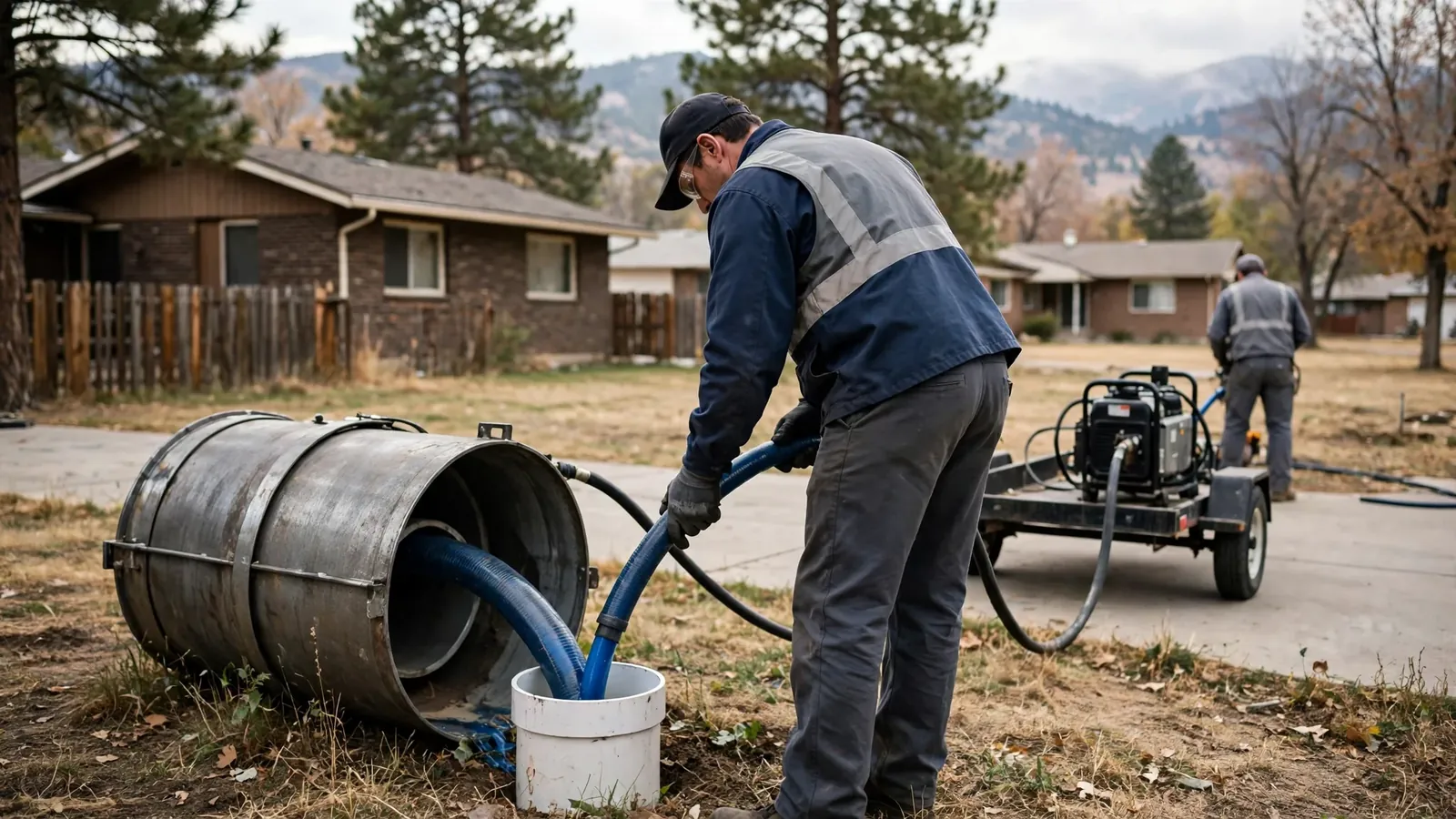
The U.S. EPA describes this cured in place pipe, or CIPP, as a trenchless method that uses the old pipe as a host. Your lawn, driveway and trees stay where they are.
Call (888) 888 8888 to see if your line can be lined.
What Is Sewer Pipe Lining?
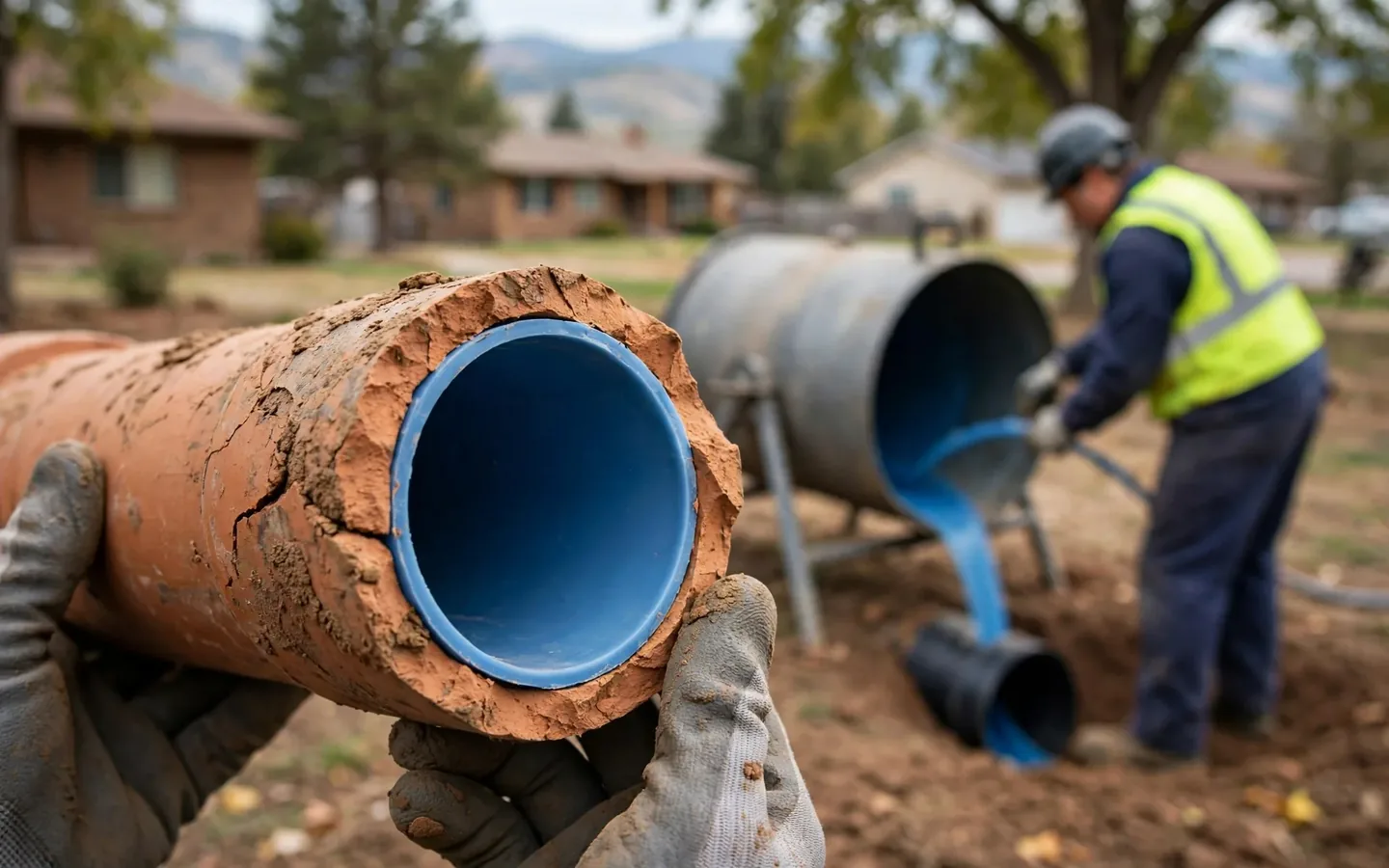
Sewer pipe lining, also called cured in place pipe (CIPP), repairs a line from the inside. A flexible tube soaked in resin is pulled or turned into the old pipe, then cured so it hardens into a new pipe with no joints inside the old one. It seals cracks and joints without a trench.
How Lining Works
- Scope the line to map cracks, roots and joints
- Clean it with a jetter and root cutter
- Insert the resin soaked liner through a cleanout or small access point
- Inflate and cure it against the old pipe wall
- Reopen any branch connections from inside
- Scope again to show you the finished liner
Is a cured in place liner as strong as new pipe?
Industry design guides generally accept about 50 years of service for a cured in place liner, which is the same design life many agencies use for new pipe.
When Lining Is a Good Fit
- Clay pipe with root entry at joints but good alignment
- Cast iron with cracks or scale that still holds its shape
- Lines under driveways, patios or mature trees you do not want to dig up
- Lines under the street where digging needs extra permits and traffic control
When Lining Is Not a Good Fit
- Flattened Orangeburg pipe
- Collapsed sections where the host pipe is gone
- Bellies that hold water, since a liner copies the sag
- Large offsets that the liner cannot pass
The honest answer: about half the value of a scope is learning that lining will not work, before you pay for it.
Littleton District Rules for Liners
- Valley Sanitation District requires a license for lining that reaches the main.
- Columbine Water and Sanitation District has documented backups caused by liner ends sticking into the district main, and checks licensing at tap repairs.
- Grant Water and Sanitation District only accepts service line work by licensed plumbers, and it wants two working days of notice to inspect.
- Work that reaches the street needs a City right-of-way permit, and your sanitation district may have its own rules for work on the connection.
What we do at the main: we trim the liner flush at the tap and record it on camera so the district and you have proof it does not protrude.
Cold Weather Curing
Littleton winters average lows near 17°F in January. Some resins cure with hot water or steam, which works well in cold months. We plan the cure method around the season so work does not stop in winter.
How Long a Liner Lasts
Sewer liners are commonly designed for a 50 year service life, assuming a correct install. The install matters more than the material, so ask for video before and after, and check the end at the main. See what goes wrong with lining.
What Affects the Cost
Every line is different, so a fair price comes after a camera scope, not before. These are the things that move the number up or down:
- Length lined: a short section or the whole line.
- Pipe condition: the pipe must be cleaned and must still hold its shape.
- Diameter changes and bends: these make lining harder.
- Branch lines: each connection is cut open after curing.
- The end at the main: the liner must be trimmed flush, following district rules.
Lining Questions
How long does lining take? Many residential jobs finish in a day once the line is clean.
Will lining make my pipe smaller? Slightly. The liner adds a thin wall. For most 4 inch house lines the change is small, and a smooth liner often flows better than rough old pipe.
Can you line under my house? Often, yes, if there is access and the pipe still holds its shape.
Book a Lining Check
Call (888) 888 8888 and we will tell you straight if lining fits.