
On this page9 sections
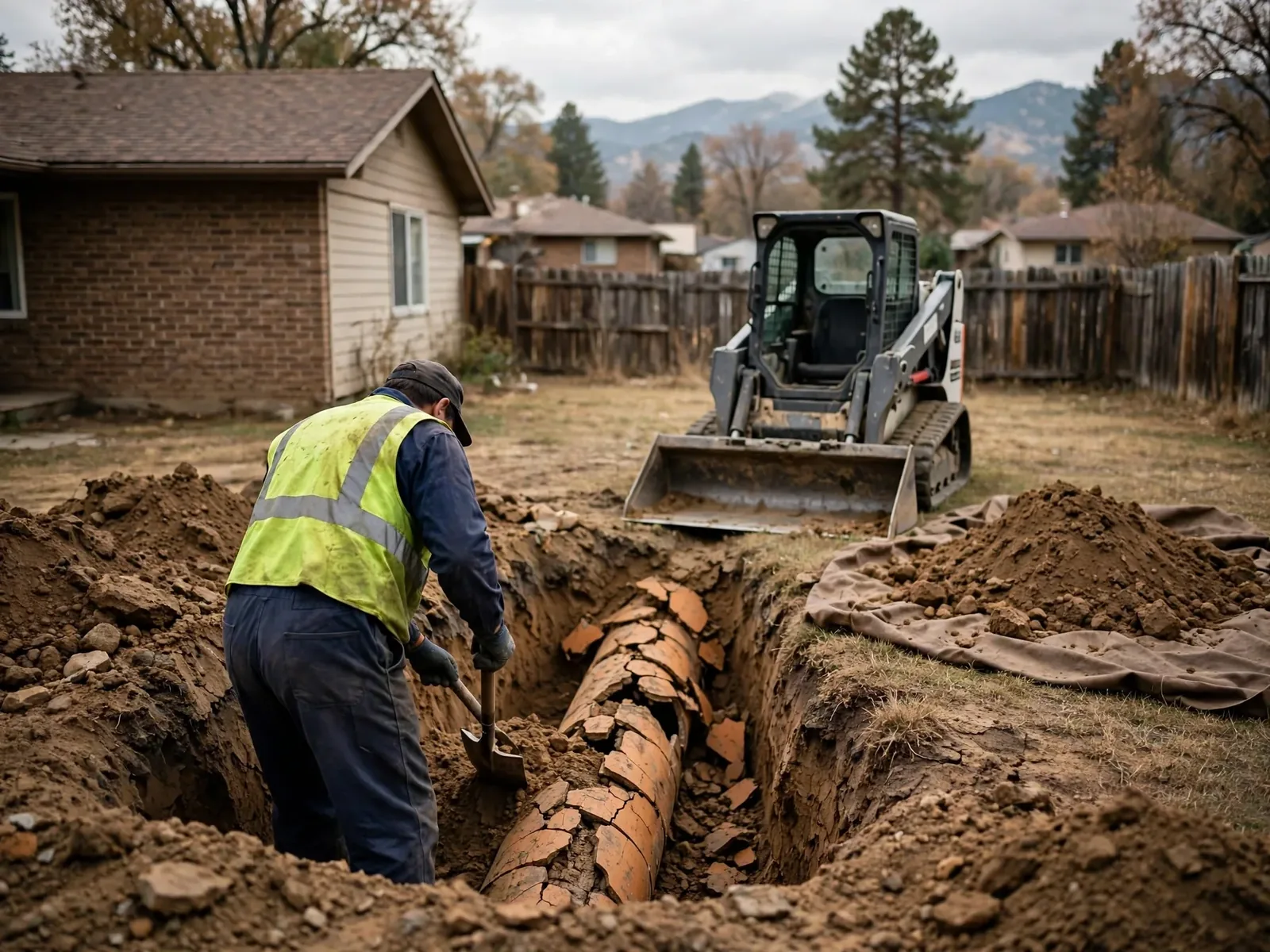
If the camera shows one or two problem spots in otherwise healthy pipe, repair them. If damage runs along much of the line, or the pipe material is failing everywhere, replace it. The video, not the age of the house, should make the call.
The Three Real Options
| Option | What it is | Best when |
|---|---|---|
| Spot repair | Fix one section by digging at that spot | One or two defects, healthy pipe elsewhere |
| Lining | New pipe formed inside the old one | Cracks or root entry along the line, pipe still round with good slope |
| Replacement | New pipe by bursting or trench | Widespread damage, collapse, bad material, deep sags |
When a Spot Repair Makes Sense
- One broken joint or crack
- One root entry point
- One short belly
- The rest of the pipe looks sound on video
Honest note: a spot repair is often the smallest job. You should hear about it as an option when it fits.
When Lining Makes Sense
- Roots entering at many clay joints
- Cracks spread along the line
- Pipe still holds its round shape
- No large sags or offsets
When Replacement Makes Sense
- Orangeburg pipe that has flattened
- Many offsets or broken sections
- A collapse
- Long or deep bellies
- The line needs a new route or new depth
How do I know if my sewer line needs to be replaced?
When defects show up along much of the run, when the pipe material itself is failing, or when the pipe has lost its shape or slope. One or two defects usually point to a repair.
A Simple Decision Path
- How many defects? One or two: lean toward spot repair. Many: lean toward lining or replacement.
- What material? PVC or sound clay: repairs work well. Flattened Orangeburg: replace.
- Shape and slope? Round with good slope: lining is possible. Sagging or collapsed: dig or replace.
- What is above the pipe? Driveway, trees or street: favor trenchless methods.
- How long will you stay? Selling soon: fix what a buyer's scope will flag. Staying long: solve the whole line.
Littleton Factors
- Home age: homes from the 1950s to early 1970s are more likely to have failing clay, cast iron or Orangeburg along the whole line
- Soil: swelling clay can move pipe over decades, so multiple offsets are common in older lines
- Ownership: you own the line to the main, including under the street, under Littleton City Code 7-5-24, so a repair near the street is still your job
- Permits: repairs and replacements that reach the street need a City right-of-way permit
Questions to Ask
- How many defects did you find and where?
- Is spot repair possible for these?
- Will a liner work given the shape and slope?
- What happens if I wait?
- Can I see the video before deciding?
Getting a Second Opinion
Ask for the full scope video. Another company can review the same footage without a new scope. That is a normal request for a big job.
Common Questions
Does repairing one spot just move the problem? Not if the rest of the pipe is sound. It can if the whole line is failing.
Is replacement always the long term answer? Not always. A sound line with one defect does not need replacing.